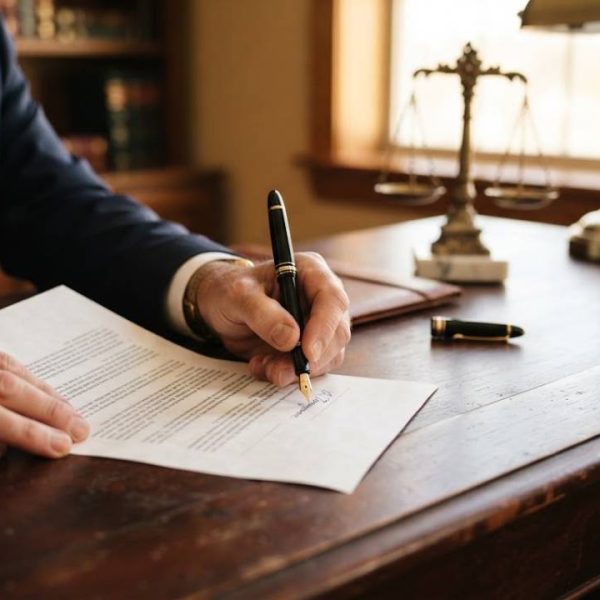

A supplier in Ohio and a distributor in Warsaw sign a contract everyone expects to run smoothly for years. Eighteen months later that same contract sits on a judge desk because one clause reads differently in each language version and neither side will back down.
Cases like this rarely make headlines yet they quietly clog court dockets across the country every single month. A dispute that started as a simple wording disagreement can drag on for years once lawyers on both sides start arguing about which translated version actually controls.
Judges handling cross border commercial disputes have grown noticeably less patient with translation quality arguments raised late in a case. Firms that once treated translation as a minor detail now build it into their litigation strategy from the very first filing.
Why Courts Scrutinize Translated Evidence So Closely
A translated contract or email chain submitted as evidence faces a level of scrutiny that would surprise most business owners who assume any accurate rendering will simply be accepted without question.
Opposing counsel routinely challenges a translation the moment it helps their side even slightly and this forces both parties to defend the accuracy of wording that seemed perfectly clear when the deal was first signed.
Firms that rely on skilled professional translations from the outset avoid handing the other side an easy opening to argue that the evidence itself cannot be trusted.
A judge who suspects sloppy translation work will often demand a second independent version before allowing a document into evidence at all which can add months to an already lengthy proceeding.
How A Small Wording Gap Becomes A Major Dispute
Contract disputes rarely start with a dramatic disagreement over the entire deal. They usually begin with one party pointing at a single sentence and insisting it means something different than the other side assumed.
Lawyers who have watched a case unravel over one disputed phrase now recommend having every cross border contract reviewed by a second qualified translator before either party signs anything at all.
That extra review step costs relatively little compared to the legal fees that pile up once a dispute actually reaches a courtroom and both sides start hiring experts to argue over word choice.
Some companies now write a governing language clause directly into every international contract specifying which version controls if the translated texts ever diverge even slightly during a later dispute.
Drafting that clause takes a lawyer only a few extra minutes yet it can eliminate an entire category of argument before a dispute even reaches the point where lawyers start billing serious hours over it.
Contract teams who have survived one bruising translation dispute rarely skip this step again since the memory of that particular fight tends to stick with everyone involved for years afterward.
Depositions Raise A Different Kind Of Risk
Written contracts are only part of the picture once a dispute reaches formal proceedings. Witnesses who do not share a language with opposing counsel still need to give testimony that holds up on the record.
Legal teams handling depositions across borders increasingly rely on over the phone interpretation services to keep a witness testimony accurate without forcing everyone into the same room during scheduling conflicts.
An interpreter who softens a witness tone or misses a small qualifying phrase can change how that testimony reads later when a judge reviews the transcript months after the actual deposition took place.
Courts have grown far less tolerant of interpretation quality disputes raised after the fact which is why experienced litigators now vet interpreters with the same care they apply to expert witnesses.
Some firms now record every remote deposition alongside the interpreted audio so a disputed phrase can be reviewed against the original testimony rather than relying purely on a transcript months after the fact.
That kind of preparation rarely gets noticed when everything goes smoothly but it becomes invaluable the moment opposing counsel tries to argue that a witness said something other than what the record shows.
What Happens When Companies Skip This Step
Companies that treat translation as an afterthought during contract negotiation often discover the cost of that decision only once a dispute lands in front of a judge years later.
According to research from the American Bar Association disputes involving translated contract language remain a persistent source of costly litigation delay across multiple industries.
A report from the OECD on cross border commercial disputes notes that documentation and language gaps continue to rank among the most common practical obstacles companies face when a deal goes wrong.
Regulators reviewing cross border filings have grown similarly strict since a mistranslated compliance document can trigger questions that delay an entire transaction well beyond its original closing date.
A single flagged filing can trigger a broader review of every other document a company submitted that quarter which turns one small translation error into a much larger administrative headache for everyone involved.
Compliance officers who have lived through one of these broader reviews tend to insist on stronger translation vetting going forward simply because the alternative cost them weeks of extra paperwork they never wanted to repeat.
Building Translation Into A Legal Strategy From Day One
Firms that handle this well treat translation the same way they treat any other essential vendor relationship rather than scrambling for a provider once a dispute has already begun.
That means vetting translation partners before signing the first international contract rather than waiting until a disagreement forces a rushed search under real deadline pressure.
A company expanding into several new markets at once might commission careful review of every governing contract while using faster informal translation for routine internal correspondence that carries far less legal risk.
That split between careful where it truly matters and quick where it genuinely does not has become standard practice for companies serious about avoiding the kind of dispute that started this whole conversation in the first place. The supplier in Ohio and the distributor in Warsaw eventually settled their case but both sides later admitted the entire fight could have been avoided with one extra review before either party ever signed the original agreement.