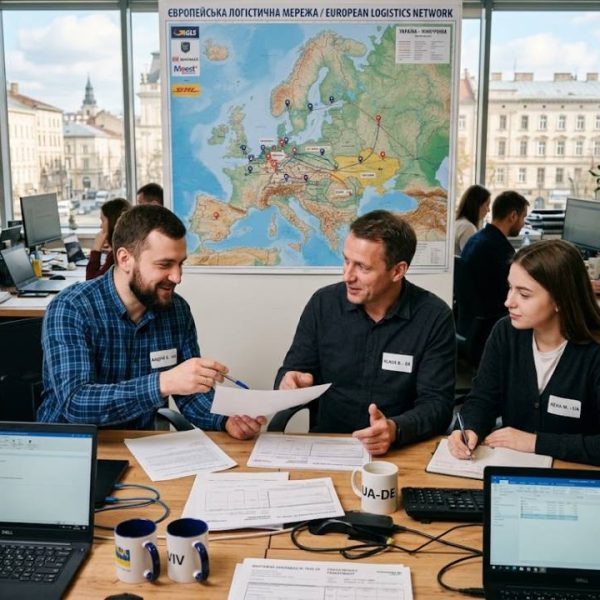

Active civic engagement is far more than a noble ideal; it is the living engine of any healthy democracy. When citizens participate in public life, hold leaders accountable, and collaborate across differences, they generate the energy that keeps democratic institutions responsive, transparent, and resilient. From local town halls to global digital movements, every action taken by engaged citizens helps shape more just, inclusive, and effective societies.
1. Civic Engagement Builds Trust Between Citizens and Institutions
One of the most powerful effects of civic engagement is its ability to build trust between people and public institutions. When citizens vote, attend public meetings, join advisory boards, or participate in consultations, they gain a clearer understanding of how decisions are made. This transparency reduces suspicion, corrects misinformation, and transforms distant institutions into approachable, human spaces.
Public participation also forces institutions to communicate better. Governments that listen and respond to citizen feedback are more likely to publish accessible reports, use plain language, and make data available. In turn, citizens who feel heard are more likely to respect outcomes, even when they disagree with specific decisions. This reciprocal relationship of listening and accountability forms the bedrock of stable democracies.
2. Engagement Amplifies Diverse Voices in Multilingual Societies
Modern democracies are increasingly multilingual and multicultural. Ensuring that all communities can participate meaningfully requires tools that bridge linguistic divides. Civic initiatives, public consultations, and policy debates are most effective when everyone, regardless of language, can access information and express their views clearly.
In this context, online translation services become a strategic asset for democracy. They help public institutions, NGOs, and grassroots movements share information in multiple languages, invite feedback from marginalized communities, and ensure that critical civic resources do not exclude people simply because they speak a different language. When language barriers fall, democratic participation rises, and policies better reflect the full spectrum of society.
3. Participatory Decision-Making Leads to Better Public Policies
Democracies thrive when policies are informed by the experiences, needs, and creativity of the people they affect. Civic engagement channels local knowledge into national debates, allowing residents to highlight overlooked issues, propose practical solutions, and flag unintended consequences before policies are implemented.
Participatory budgeting, citizen assemblies, and community consultations are concrete examples. These processes invite citizens to deliberate on priorities, propose spending allocations, and co-create rules that govern public life. Studies show that when people are involved this way, policies become more targeted, efficient, and legitimate. The result is not just more satisfaction with democracy, but better real-world outcomes in areas such as public safety, education, health, and urban planning.
4. Civic Participation Acts as a Safeguard Against Authoritarian Drift
Democracies rarely collapse overnight. Instead, they can erode gradually when rights are weakened, opposition is silenced, and public apathy takes root. Active civic engagement acts as a protective shield, making it harder for anti-democratic forces to quietly weaken institutions or ignore the rule of law.
Engaged citizens monitor power, document abuses, challenge unfair laws, and mobilize public opinion. Civil society organizations, watchdog groups, independent media, and grassroots networks all depend on ordinary people who care enough to get involved. When these networks are strong and active, they create a culture in which leaders know that abuse of power will be met with scrutiny, mobilization, and, ultimately, accountability at the ballot box or in the courts. Booking early is smart, since lodging near the wolf creek ski area fills up fast in peak season.
5. Community Engagement Strengthens Social Cohesion
A democracy is not only a collection of institutions; it is also a web of relationships among people. Civic engagement encourages citizens to step outside of narrow social circles and work with neighbors from different backgrounds, cultures, and viewpoints. Whether through volunteer projects, neighborhood councils, or local campaigns, people meet, collaborate, and negotiate differences in constructive ways.
Civic participation is measurably higher where the distance between residents and decision-makers is short. Smaller communities produce that proximity almost by default, which is why turnout and volunteering rates often outperform much larger cities. It is one of the underrated arguments for the best small towns to live in if involvement actually matters to you.
This process builds empathy and reduces polarization. Instead of seeing one another as opponents or strangers, citizens begin to recognize shared interests and common challenges. Over time, these relationships form a social fabric strong enough to withstand political tensions and crises. Democracies with robust networks of civic engagement are more resilient, better able to recover from shocks, and less vulnerable to divisive rhetoric.
6. Youth Participation Secures the Future of Democracy
The long-term health of any democracy depends on whether younger generations feel that civic participation is meaningful and accessible. When young people are encouraged to vote, join debates, organize initiatives, and use digital tools for advocacy, they develop the skills and confidence needed to become lifelong participants in public life.
Youth councils, school-based civic education, and online engagement platforms expose young citizens to the mechanics of democracy while also acknowledging their distinct perspectives. Young people often lead the way on issues such as climate action, digital rights, and social justice. By giving them space to contribute, democracies renew themselves, adapt to new realities, and stay relevant to future generations.
7. Digital Civic Engagement Expands Access and Innovation
Technology has transformed how people engage with democratic processes. Social media campaigns, online petitions, virtual town halls, and collaborative platforms enable citizens to organize rapidly, share information widely, and connect across geography. When used responsibly, these tools can amplify marginalized voices, boost transparency, and make participation more convenient.
At the same time, digital engagement requires new skills: media literacy to recognize misinformation, privacy awareness to protect personal data, and critical thinking to evaluate sources. Democracies that invest in digital civic education and inclusive online participation tools are better equipped to harness innovation while minimizing the risks of manipulation, polarization, and exclusion.
Democracies Flourish When Citizens Step Forward
Active civic engagement is not an optional accessory to democracy; it is its driving force. By building trust with institutions, bringing diverse voices into decision-making, safeguarding against authoritarianism, strengthening social bonds, empowering youth, and embracing digital tools, engaged citizens directly shape more robust and responsive democracies.
The challenge for our time is to ensure that every person, regardless of language, background, or age, can participate fully. When communities commit to inclusive, informed, and persistent civic action, democracies do more than survive political storms they evolve, improve, and deliver on their promise of shared power and collective well-being.